
 EN/
EN/ Romana
 Magyar

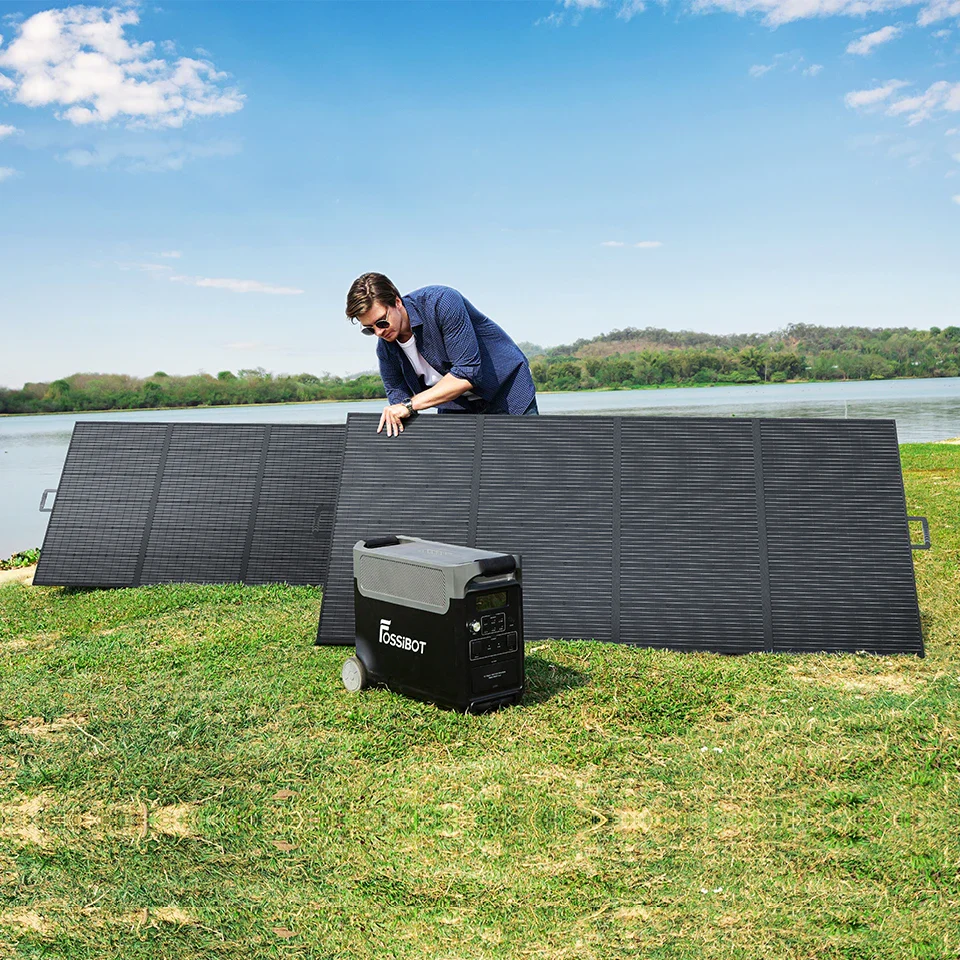
Have you ever thought that the sun can reduce your electricity bill by up to 70%? For this, you need solar panels. But a natural question arises: "How quickly will I recover my investment?" If you want to find the answer and discover how you can turn sunlight into real savings, you are in the right place. Let's explore together the path to energy independence and the benefits that await you.
Factors Influencing Payback Period
Investing in solar panels is one that will impact your budget, and the time it takes to recover your money depends on several factors. However, by better understanding these factors, you will find it easier to more accurately estimate how long it will take to amortize your investment.
Initial Cost of Panels and Installation
The first step in assessing the payback period is analyzing the initial cost of the photovoltaic system. This includes:
• Price of solar panels - there is a wide range of panels on the market, from the most affordable to high-efficiency ones that can be more expensive. Your choice will influence both performance and total cost.• Installation costs - these can vary depending on the complexity of the project, the structure of the roof, and the rates of the installer. It's important to obtain multiple quotes to find the best quality-price ratio.
• Auxiliary equipment - the inverter, mounting systems, and cables also represent a significant part of the investment.
Your Electricity Consumption
The more energy you consume, the greater your potential savings can be. If your monthly electricity bill is substantial, solar panels can help you save considerable amounts.
• Analyze your current consumption - review your electricity bills from the past year to determine your average monthly consumption.
• Identify peak hours - if you consume more energy during the day when panels produce electricity, the benefits will be even greater.
Electricity Rates in Your Area
The price of electricity varies depending on the supplier and region. In areas with high rates, the savings brought by 220V solar panel kits are greater.
• Compare local rates - find out the cost per kilowatt-hour (kWh) in your area.• Forecast price increases - consider the trend of rising energy prices, which can accelerate the payback of your investment.
Geographical Location and Solar Radiation
Your geographical location directly affects the amount of energy solar panels can produce.
• Solar radiation map - consult solar radiation data for your area to estimate energy production.• Roof orientation and tilt - a south-facing roof with optimal tilt maximizes solar energy capture.
• Shading - check for obstacles like trees or buildings that could shade the panels and reduce their efficiency.
Maintenance Costs and Lifespan of Panels
Although solar panels require minimal maintenance, it's important to consider these aspects:
• Lifespan - solar panels have a lifespan of about 25-30 years. The inverter, an essential component, may need replacement after 10-15 years.• Periodic maintenance - cleaning the panels to remove dust and dirt ensures maximum efficiency.
• Warranties - choose products with extended warranties and reliable suppliers to minimize risks and additional costs.
How to Calculate Payback Period
If you are wondering how to precisely determine the period in which you will recover your investment in solar panels, you have arrived at the right section. Calculating the payback period gives you a clear perspective on the profitability of the photovoltaic system and helps you make an informed decision.
Steps for Calculating Payback
1. Calculate the Total Investment Cost
To start, you need to determine the complete cost of the solar system, which includes:
• Price of solar panels - the amount you pay for panels based on type, efficiency, and brand.
• Installation costs - fees charged by installers, which can vary depending on the complexity of the installation and region.
• Additional equipment - the inverter, mounting structures, cables, and other necessary components.
• Fees and permits - any costs for obtaining permits or necessary documentation.
Simple formula:
Total investment cost = Equipment cost + Installation costs + Fees and permits
2. Estimate Annual Savings on Energy Bills
The next step is to estimate how much you will save annually on electricity bills due to solar energy production.
• Calculate annual energy production: Determine the amount of energy (in kWh) your system will generate in a year. This depends on:
• System capacity (in kW)
• Average number of sunny hours per day in your area
• Performance factor (which accounts for losses and system efficiency)
Simple formula:
Annual production (kWh) = System capacity (kW) × Sunny hours per day × 365 days × Performance factor
• Calculate savings: Multiply the annual energy production by the local electricity rate (price per kWh).
Simple formula:
Annual savings = Annual production (kWh) × Electricity rate (lei/kWh)
3. Apply Subsidies and Tax Credits
To obtain the net investment cost, you need to subtract any subsidies or financial incentives you benefit from.
• Government subsidies: Non-repayable amounts received through programs such as Casa Verde.
• Tax credits: Reductions in taxes owed due to investment in renewable energy.
Simple formula:
Net investment cost = Total investment cost - Subsidies and tax credits
Practical Example
Let's take a concrete example to illustrate the calculation process.
Basic data:
• System capacity: 5 kW
• Cost of equipment and installation: 25,000 lei
• Subsidy from the Casa Verde program: 20,000 lei
• Average number of sunny hours per day: 4 hours
• Electricity rate: 0.8 lei/kWh
• Performance factor: 0.75 (to account for losses)
1. Calculate the total investment cost
Total investment cost = 25,000 lei
2. Apply subsidies
Net investment cost = 25,000 lei - 20,000 lei = 5,000 lei
3. Calculate annual energy production
Annual production = 5 kW × 4 hours/day × 365 days × 0.75
Annual production = 5 × 4 × 365 × 0