
 EN/
EN/ Romana
 Magyar
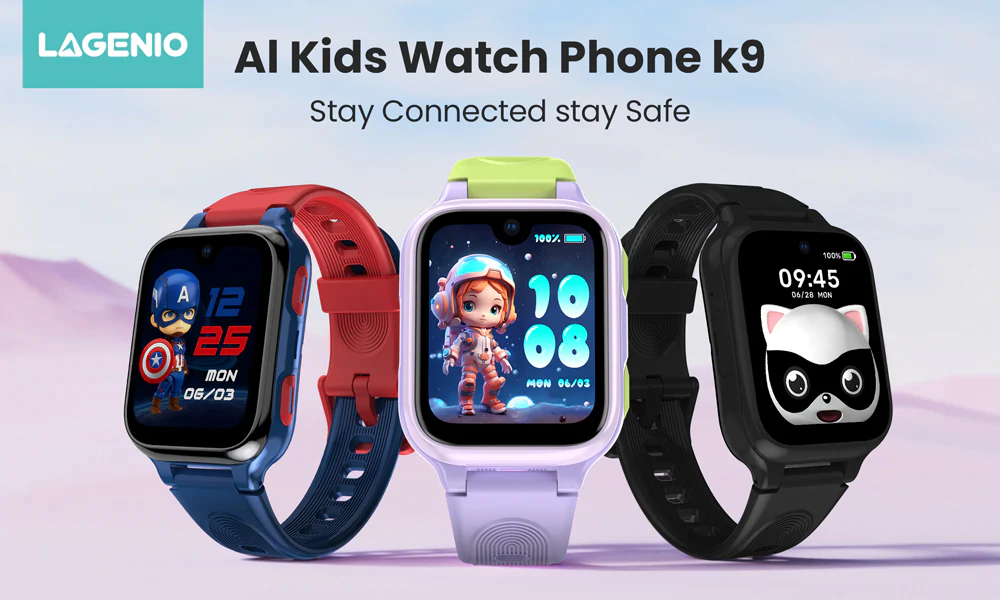
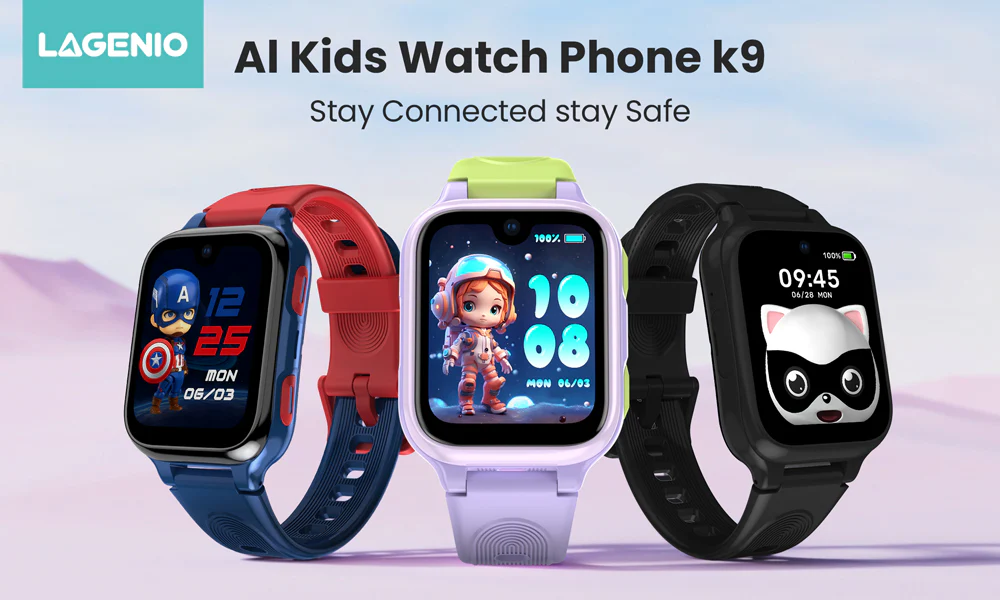
Smartwatches for Children and Their Role in Modern Digital Safety – Complete Guide + Lagenio K9 Range Example
Introduction
In recent years, wearable technology has become a natural part of our daily lives. Smartwatches are no longer just sophisticated accessories for adults, but have evolved into a distinct category for children, with specialized functions focused on safety, communication, and digital education. Parents face modern challenges — increased mobility, busy schedules, the need to stay constantly connected with their children, and the responsibility of promoting accountability in a digital world.
Smartwatches for children address these needs. They simplify monitoring, improve communication, and offer parents a way to stay close, even when they cannot be physically present. At the same time, these devices introduce children to technology in a healthy way, serving as a much safer alternative to smartphones.
In this complete guide, we will explore everything you need to know about children’s smartwatches: how to choose them responsibly, how to use them for safety and development, and how ranges such as Lagenio K9 align with this modern trend. For reference, the product category can be viewed here:
The purpose of this article is informational and educational. It does not encourage the purchase of a specific product, but rather provides a complete guide to understanding modern technology dedicated to child safety.
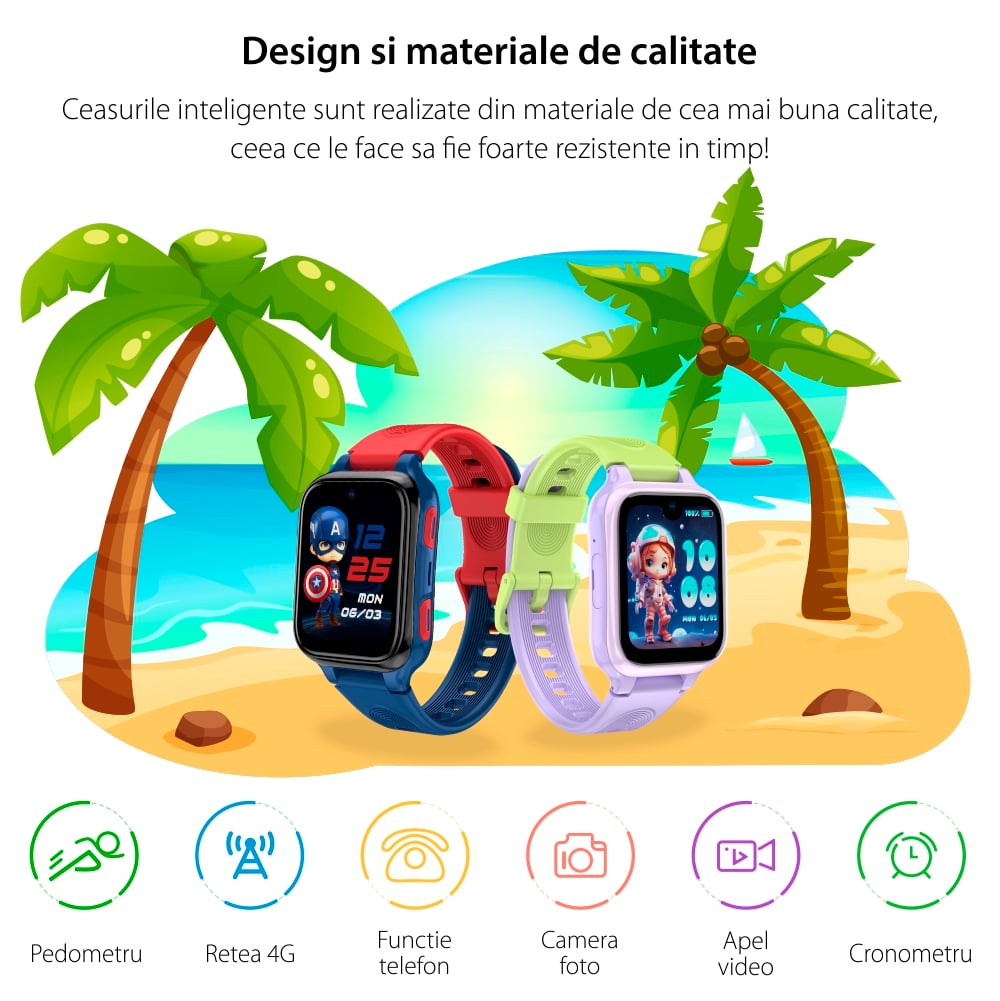
Chapter I: Why the Need for Children’s Smartwatches Emerged
1.1. Safety – the Number One Priority for Modern Parents
In a world where children are increasingly active, frequently going to the park, extracurricular activities, school, friends’ houses, or trips, parents seek effective ways to ensure their children are safe. Smartwatches with GPS, LBS, or Wi-Fi positioning functions offer a modern, non-invasive monitoring solution.
These watches allow parents to know their child’s location at any time without limiting their freedom. Instead of a mobile phone — which can be lost, forgotten, or excessively used — the watch stays on the wrist and fulfills the essential role: communication and safety.
1.2. Fast Communication
A children’s smartwatch usually includes:
-
two-way voice calls,
-
voice messages,
-
sometimes video calls,
-
a list of authorized contacts.
This way, the child can quickly contact their parents, and parents can reach the child at any time. In emergency situations, this can be vital, and for children it is often more intuitive than using a phone.
1.3. Technology Without the Risk of Screen Addiction
Children’s smartwatches represent a balanced alternative to smartphones:
-
no internet browsing,
-
no social media apps,
-
no excessive gaming.
This means parents can offer a useful tool without the risk of exposure to inappropriate content or excessive screen time.
1.4. Responsible Digital Education
Through a smartwatch, children can learn:
-
to respect rules,
-
to be responsible with a device,
-
to use technology for useful purposes,
-
to understand safety and emergency concepts.
Chapter II: What Is a Children’s Smartwatch and How It Works
2.1. How It Differs from an Adult Smartwatch
An adult smartwatch is designed for productivity, fitness, and extended connectivity. In contrast, a children’s smartwatch is built around the concept of safety.
It includes:
-
Real-time GPS
-
SOS button
-
Call restriction to approved contacts
-
Voice chat between child and parent
-
Step monitoring
-
Parental control application
Devices such as the Lagenio K9 range, mentioned as an example, are designed precisely for these needs.
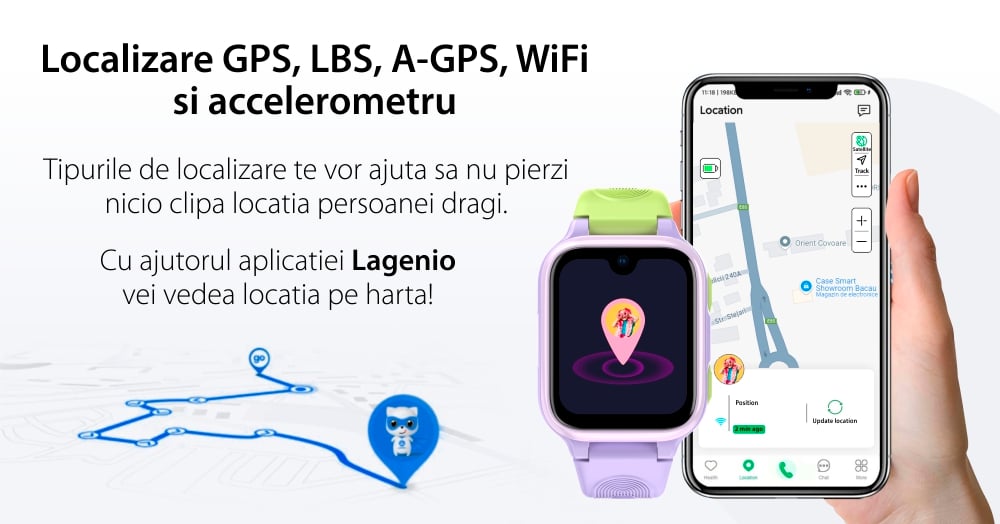
2.2. How GPS Tracking Works
The smartwatch triangulates its position using:
-
GPS satellites,
-
GSM antennas (LBS),
-
nearby Wi-Fi networks (on certain models).
Through the app, parents can:
-
view real-time location,
-
check route history,
-
set safe zones.
Chapter III: Essential Functions of a Children’s Smartwatch
3.1. GPS Tracking
Accurate location is the key feature of a children’s smartwatch. Modern devices combine multiple technologies to provide the most precise positioning possible.
3.2. SOS Button
One of the most important features:
By pressing a single button, the watch automatically initiates calls to preset numbers and sends an alert to the app.
3.3. Secure Communication
The contact list is controlled exclusively by the parent. This ensures that:
-
the child receives calls only from authorized people;
-
there is no exposure to unknown callers.
3.4. Safe Zones (Geofencing)
Parents can define areas such as:
-
school,
-
home,
-
park,
-
extracurricular activities.
If the child enters or leaves a zone, the app automatically notifies the parent.
3.5. Additional Monitoring
-
pedometer
-
sleep quality
-
reminders
Chapter IV: How to Choose the Right Model for Your Child
4.1. Child’s Age
For younger children (ages 4–7), essential functions include:
-
GPS
-
SOS
-
voice calls
-
high durability
For older children (ages 8–12), useful features may include:
-
video calls
-
4G connectivity
-
camera
-
additional activity features
4.2. Battery
A good smartwatch should offer reasonable battery life. Real-world autonomy depends on:
-
GPS tracking frequency,
-
number of calls,
-
display usage,
-
app settings.
4.3. Durability and Comfort
A children’s watch should:
-
be lightweight,
-
have a soft, adjustable strap,
-
be water-resistant (at least IP67),
-
withstand impacts.
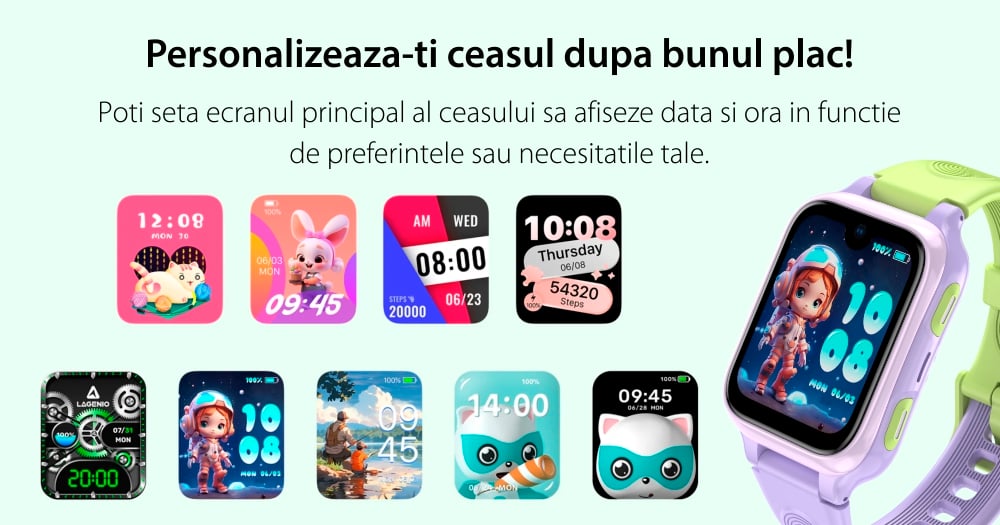
The Lagenio K9 range is often cited as an example of ergonomic design.
4.4. Parental Control Application
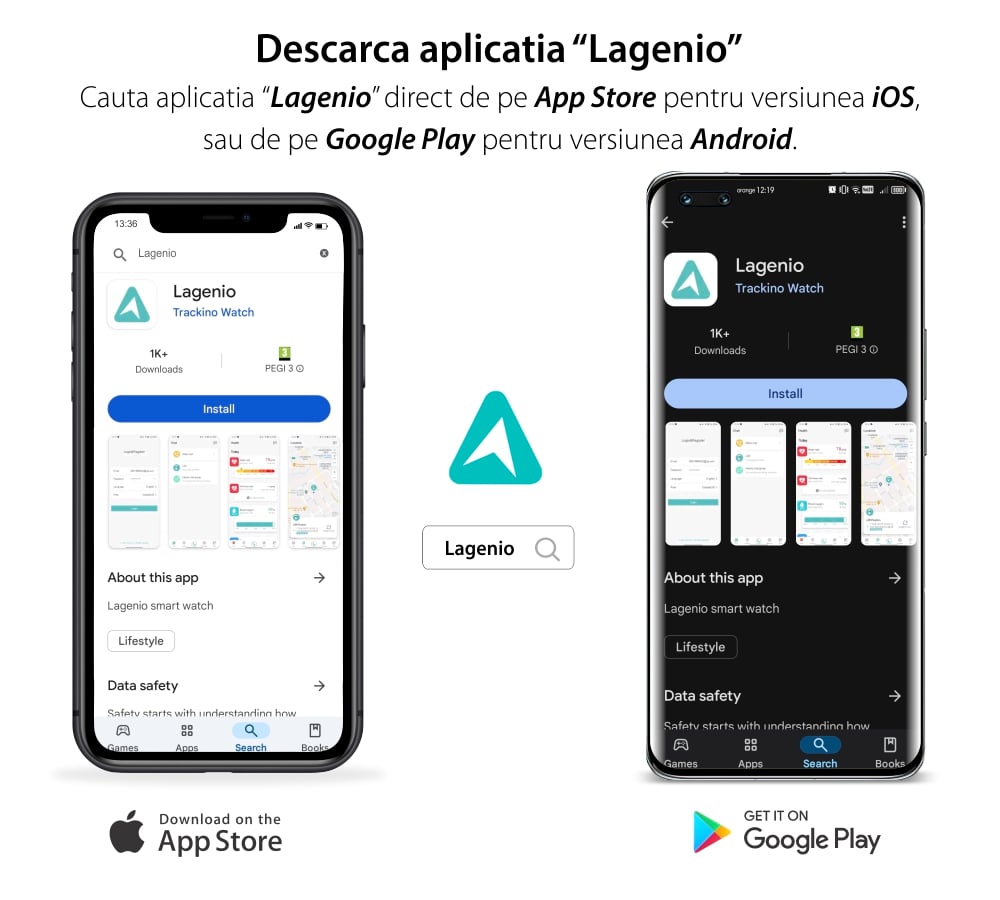
This is one of the most important components, as it:
-
manages contacts,
-
enables tracking,
-
controls restrictions,
-
displays route history.
Chapter V: Modern Children’s Smartwatch Models – General Overview + Lagenio K9 Example
Attention: This section does not contain recommendations or commercial promotion. It only presents types of features commonly found in modern ranges, including the K9 range as a technological example.
5.1. 4G GPS Smartwatches
Modern devices use 4G networks for superior call stability and tracking accuracy.
The K9 range falls into this category.
5.2. Smartwatches with Video Calling
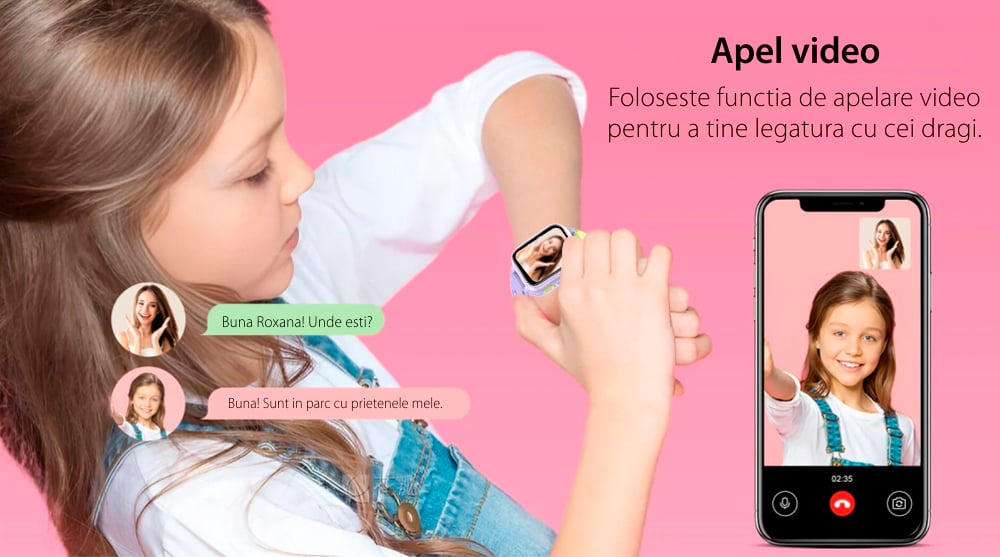
Some models include a front camera that enables visual communication. This feature is appreciated by children and useful for parents.
5.3. Smartwatches with Advanced Monitoring
In addition to standard features, some watches monitor:
-
sleep quality,
-
activity level,
-
ambient temperature.
Chapter VI: Responsible Use of a Children’s Smartwatch
6.1. Setting Rules Together with the Child
The child should understand:
-
what the SOS function is;
-
when it should be used;
-
what tracking means and why it is important.
6.2. Personal Data Protection
The parent controls all settings. It is important to explain to the child that:
-
data is private,
-
functions are for safety, not excessive control.
6.3. Balance Between Technology and Freedom
The purpose of a smartwatch is not to restrict the child, but to protect them. Responsible use means:
-
mutual trust,
-
open communication,
-
explaining the benefits.
Chapter VII: The Future of Children’s Smartwatches
Technology is evolving rapidly. In the coming years, we can expect:
-
more energy-efficient GPS modes,
-
advanced safety features,
-
integration with educational systems,
-
more comfortable materials,
-
improved data protection algorithms.
Smartwatches will likely become a standard for modern families.
Conclusion
Children’s smartwatches represent a combination of digital education, safety, and modern communication. They allow parents to stay connected with their children in a balanced way, without excessive exposure to technology. Modern models — including the Lagenio K9 range, available on DualStore.ro — demonstrate how the industry evolves to meet the current needs of families.
Regardless of the model, the key lies in responsible use, understanding the features, and choosing a device suited to the child’s age and maturity level.
If you wish, I can also:
✔ refine the text for tone, style, or length
✔ further optimize it for SEO
✔ rewrite the article in a journalistic, technical, or educational format
✔ add meta descriptions, alternative titles, SEO tags, suggested images